Anvide Labs Home

Category

Emerging Technology

14 articles

Coordination Debt: The Invisible Fault Lines Undermining Microservices at Scale

Coordination Debt: The Invisible Fault Lines Undermining Microservices at Scale

Distributed architectures promise resilience, but beneath the surface lies a class of coordination failures that conventional monitoring rarely detects. When microservices begin failing in concert rather than isolation, the gap between architectural assumption and operational reality becomes brutally apparent. This analysis examines how US enterprises are discovering—often at the worst possible moment—that their distributed systems are far more interdependent than their diagrams suggest.

Query Everything, Own Nothing: How GraphQL Is Quietly Restructuring Enterprise API Architecture

Query Everything, Own Nothing: How GraphQL Is Quietly Restructuring Enterprise API Architecture

What began as an internal Facebook tool for mobile data optimization has matured into the structural nervous system of enterprise API design. US engineering teams are now wrestling with the operational realities of GraphQL at scale — from gateway complexity to caching constraints — as the technology moves from experimental adoption into mission-critical territory.

Memory as Moat: How Rust Is Quietly Fortifying American Enterprise Infrastructure Against Nation-State Threats

Memory as Moat: How Rust Is Quietly Fortifying American Enterprise Infrastructure Against Nation-State Threats

Across American enterprise and federal infrastructure, Rust is transitioning from a niche systems language into a strategic defense mechanism against memory-safety exploits that have long plagued C and C++ codebases. As nation-state actors increasingly target software supply chains, the engineering decisions made at the compiler level are becoming matters of national competitive significance.

The Invisible Sprawl: How Container Proliferation Is Quietly Overwhelming American Enterprise Operations

The Invisible Sprawl: How Container Proliferation Is Quietly Overwhelming American Enterprise Operations

Containerized microservices promised agility and scalability, and for many US enterprises they delivered—until the sheer volume of deployments outpaced the governance frameworks designed to manage them. This investigation examines how container sprawl has created a new class of operational risk, the hidden dependency chains it conceals, and the architectural strategies leading engineering teams are deploying to restore visibility without abandoning the flexibility that containers provide.

The Architecture of Independence: How US Enterprises Are Building AI on Their Own Terms

The Architecture of Independence: How US Enterprises Are Building AI on Their Own Terms

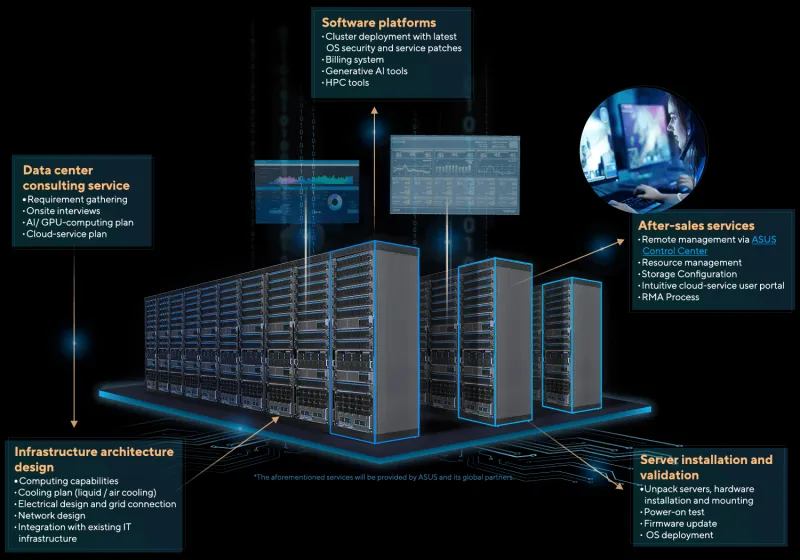
A growing cohort of American enterprises is moving beyond the convenience of third-party AI platforms to construct proprietary artificial intelligence infrastructure from the ground up. Driven by concerns over data sovereignty, cost predictability, and long-term competitive differentiation, these organizations are reshaping what it means to own an AI capability. This piece examines the architectural strategies, economic tradeoffs, and strategic imperatives behind the shift toward AI self-suffici

Seeing Everything, Missing Nothing: How Observability Infrastructure Is Defining the Next Generation of Engineering Excellence

Seeing Everything, Missing Nothing: How Observability Infrastructure Is Defining the Next Generation of Engineering Excellence

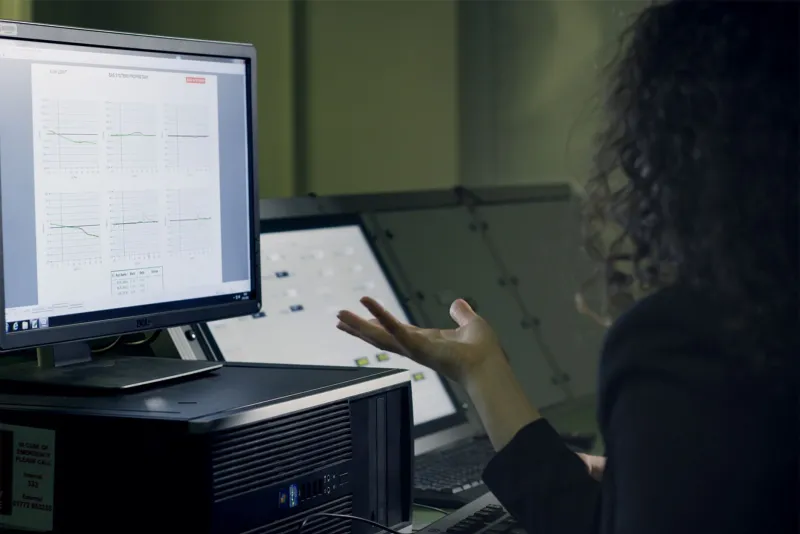
The gap between organizations that can diagnose and resolve production failures in minutes and those that require hours is increasingly traceable to a single variable: the sophistication of their observability infrastructure. What began as structured logging has evolved into an AI-augmented discipline that touches reliability engineering, customer experience, and regulatory posture simultaneously. This piece examines how US enterprises are building observability practices that function as genuin

The Commons as Competitive Edge: Why US Enterprises Must Treat Open Source as Strategic Infrastructure

The Commons as Competitive Edge: Why US Enterprises Must Treat Open Source as Strategic Infrastructure

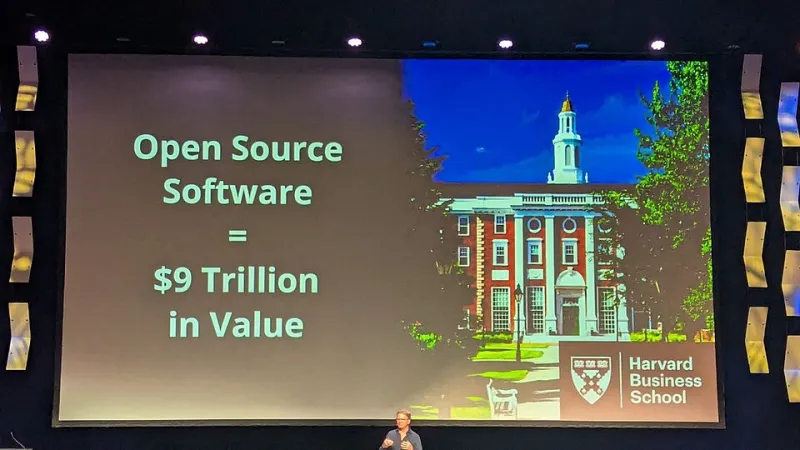
Open-source software has quietly become the load-bearing architecture of the modern digital economy, yet most American enterprises still treat it as a cost-saving measure rather than a strategic asset. As geopolitical rivalries increasingly play out in the domain of software standards and foundational tooling, the case for US technology leadership in open-source ecosystems has never been more urgent. This analysis argues that contributing to the software commons is not philanthropy — it is indus

Engineered to Endure: How US Enterprises Are Building Infrastructure That Refuses to Fail

Engineered to Endure: How US Enterprises Are Building Infrastructure That Refuses to Fail

As the threat landscape facing American digital infrastructure grows more complex — encompassing severe weather events, sophisticated cyberattacks, and fragile global supply chains — a new discipline of resilience engineering is taking shape inside forward-looking US enterprises. This examination surveys the architectural principles, real-world deployments, and strategic imperatives driving the shift toward systems designed not merely to perform, but to survive.

Beyond the Hype: 5 Quantum Computing Applications Delivering Measurable Results for US Enterprises Right Now

Beyond the Hype: 5 Quantum Computing Applications Delivering Measurable Results for US Enterprises Right Now

Quantum computing has spent years as a fixture of technology conference keynotes without a corresponding presence on enterprise balance sheets — but that is beginning to change. Across pharmaceutical research, financial services, logistics, and materials science, a select group of US organizations are deploying quantum-assisted workflows that produce verifiable, economically meaningful outcomes. Here is what IT and engineering leaders need to understand about where quantum value is actually mate